Research Programme: Land Art
past, present, future
Introduction
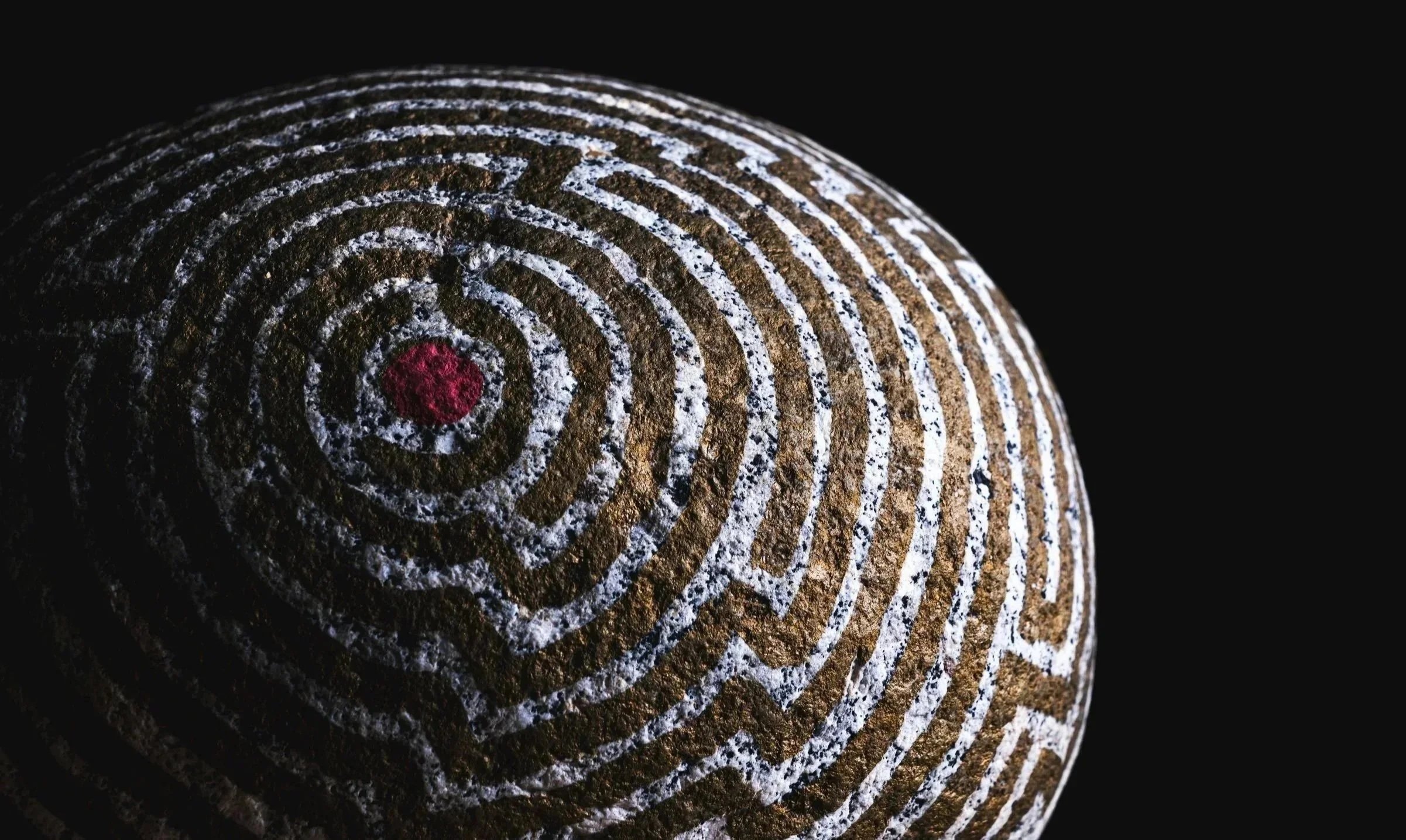
Within the activities of sensibilisation for soil awareness and soil literacy, also through art, we have planned a research programme
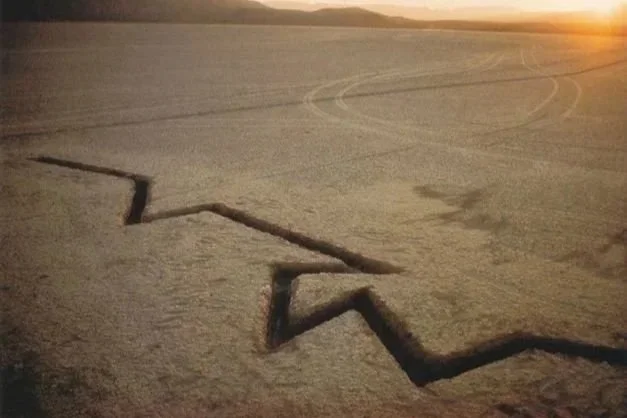
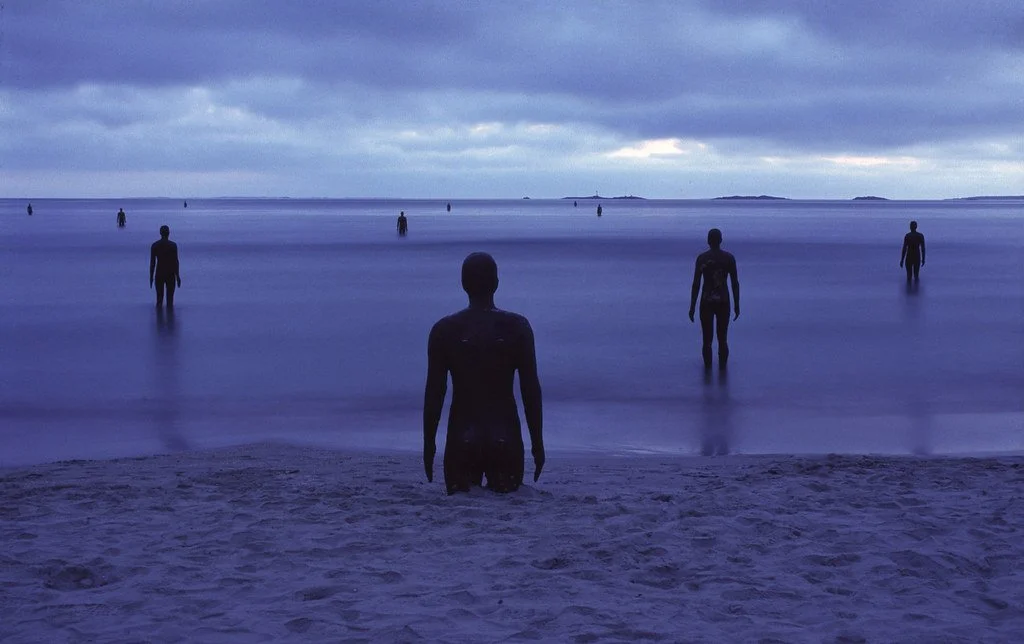
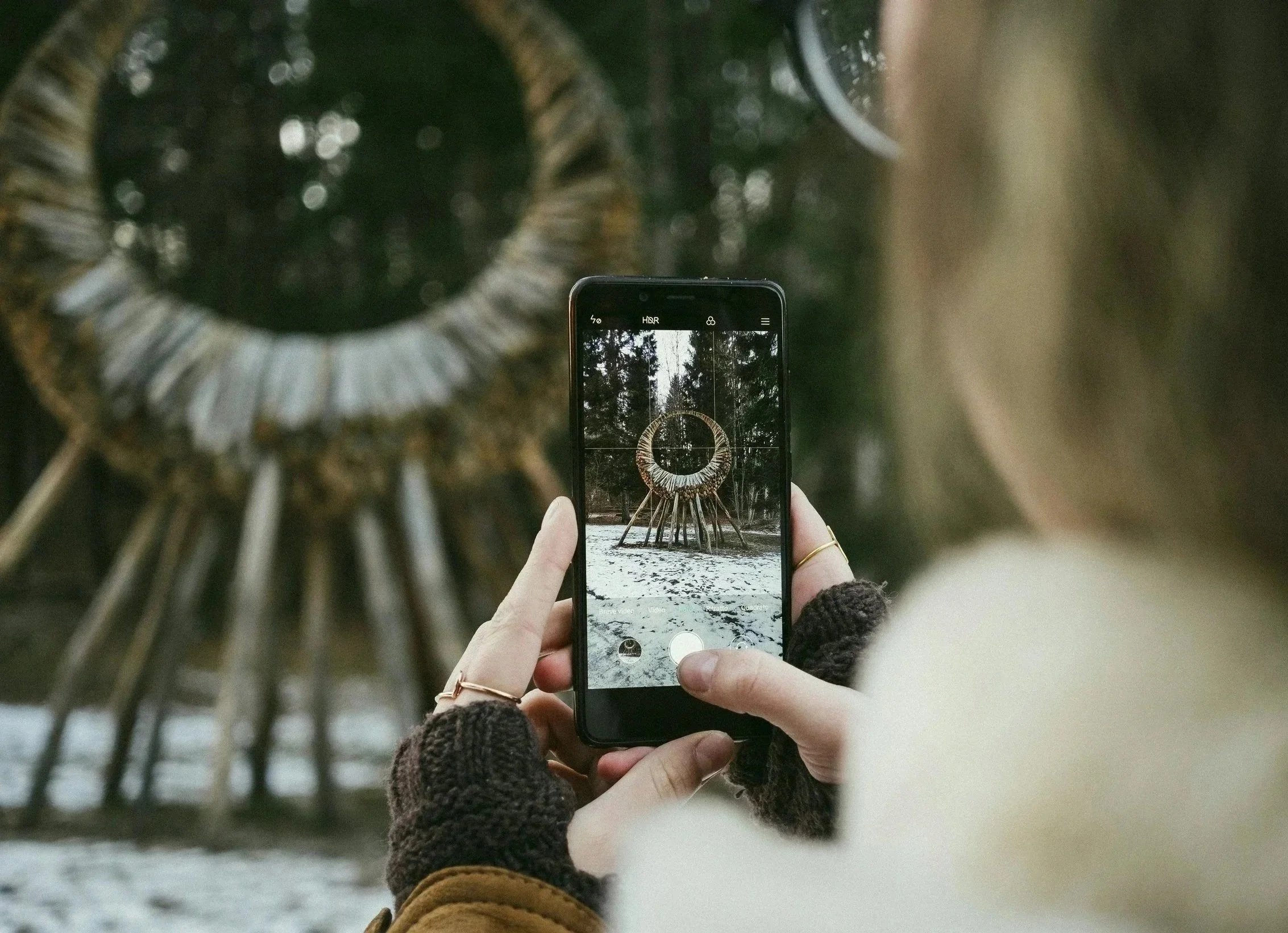
to thoroughly investigate the relationship between soil and art through visual art and Land Art.
Land Art is not the only artistic-cultural expression that can bring
the attention of today’s citizens back to what (we have forgotten!)
is the protagonist of our own lives as individuals and in Italian culture, tradition, and history. Indeed, there are numerous epic-oral
and folkloric tales of our ancestors (sometimes recounted
in our cultural walks) in which the earth or the subsoil are central elements of the narration, as well as some audio-video and literary works proposed in our “Soil Playlist”.
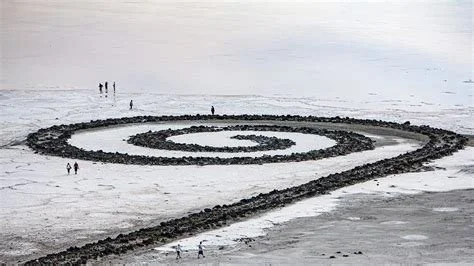
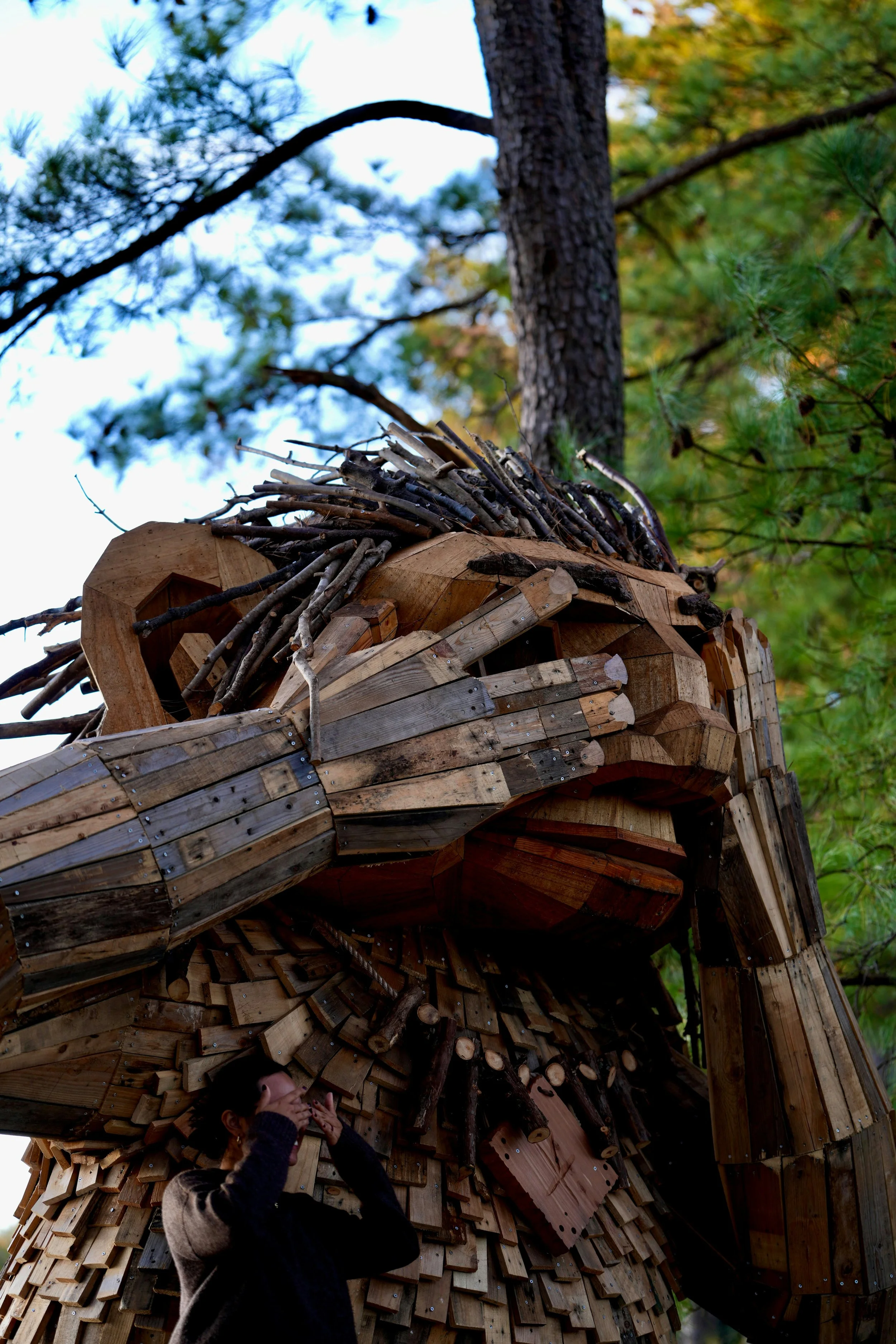
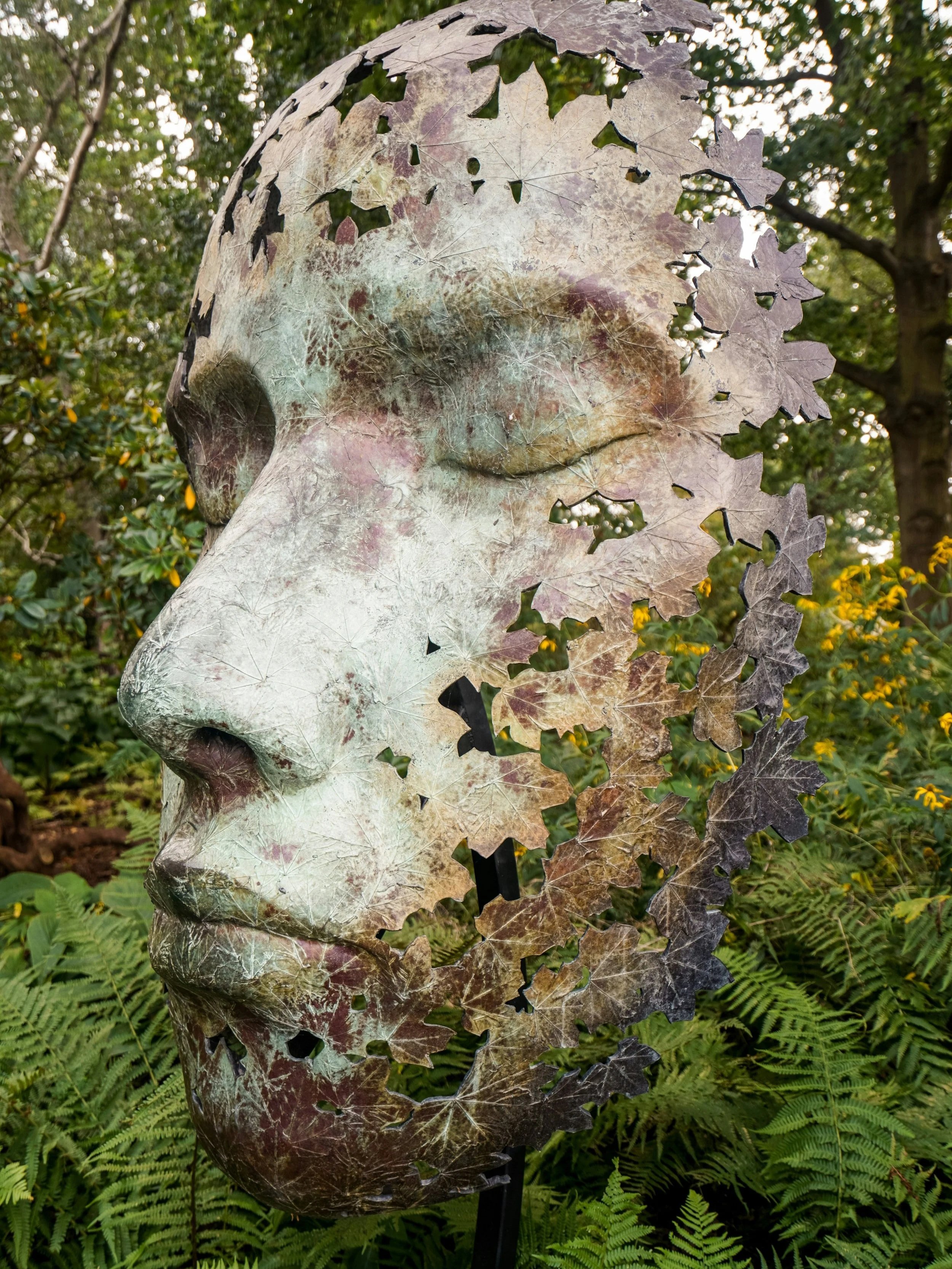
Genarating problem
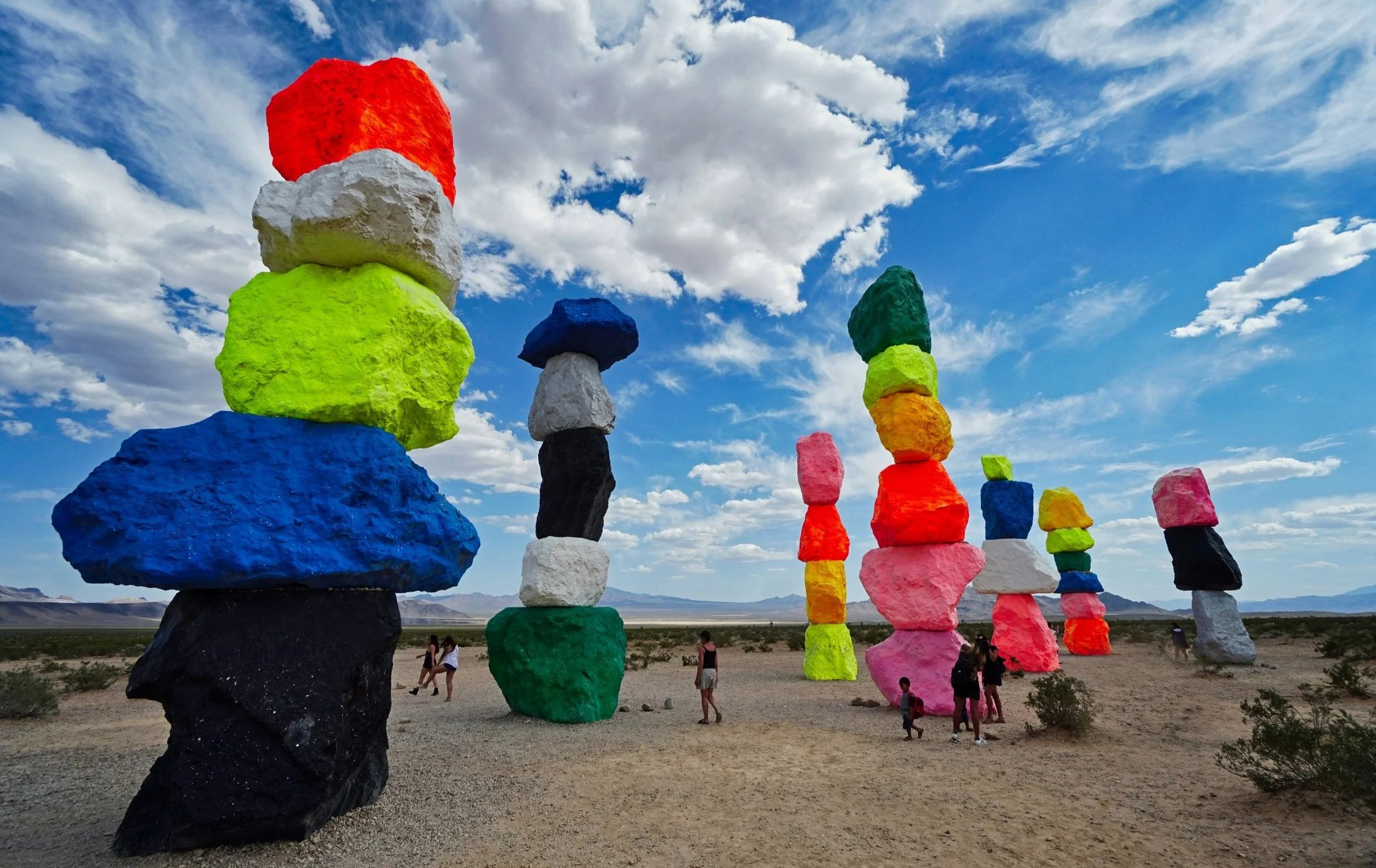
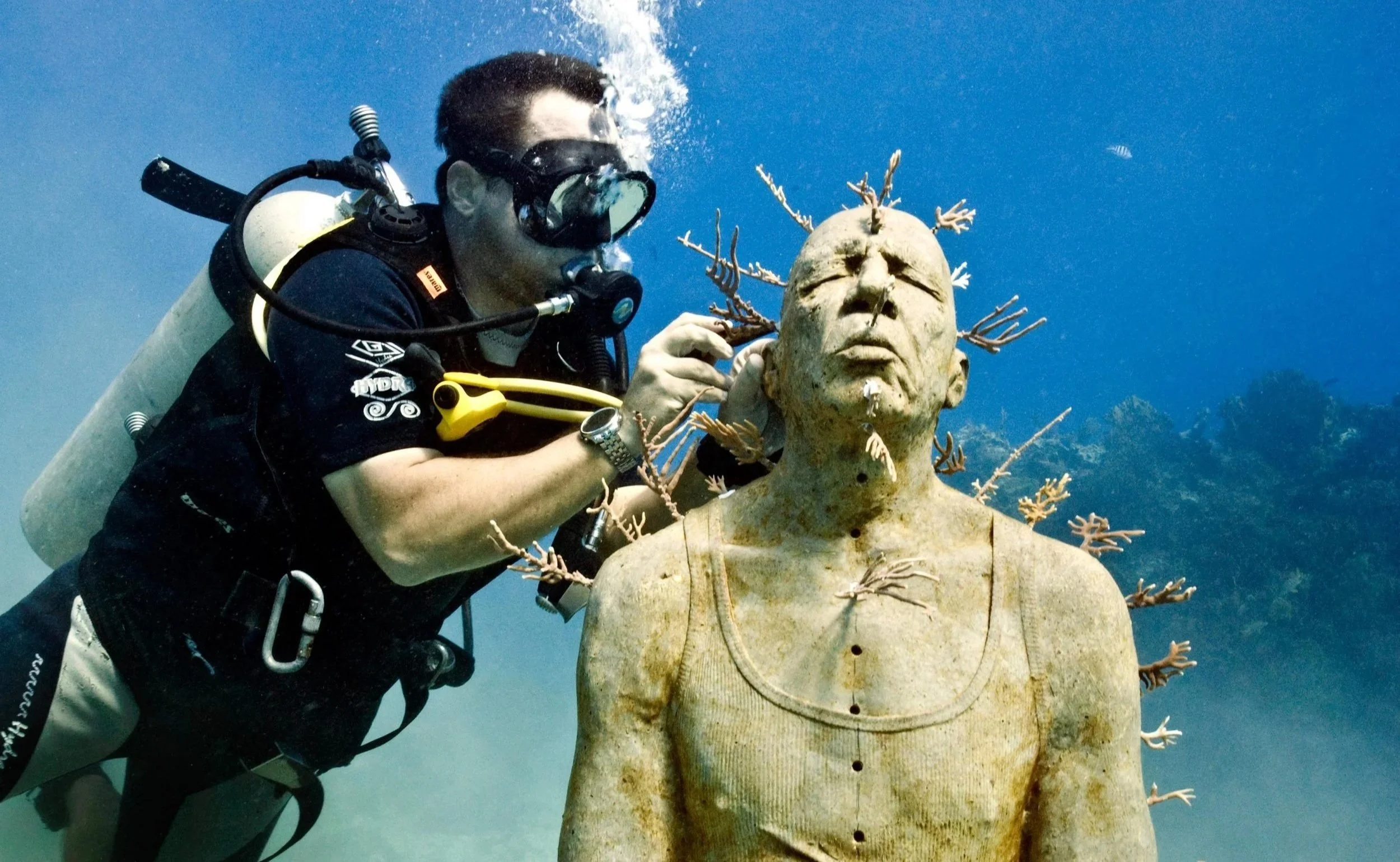
Is it possible to conceive of artistic production involving the soil without “using” it, remaining adherent to the principle of Primum non nocere? i.e.
What relationship can artistic creation establish with the soil so that the latter is a co-authoring subject and not an object of consumption?
Main Research Strands
At present, the proposed research programme has 4 research strands
that develop into specific autonomous researches:
1) historical-critical strand, through a reconstruction and interpretation
of artistic practices;
2) evaluative/impact strand, relatively to the context and the different dimensions of sustainable development involved: environmental, social, economic, cultural (or at the intersection between these);
3) design and procedural strand, in order to understand what the way
is to realise a concrete work and outline guidelines for a concrete and ethical implementation, studying the soil, materials, procedure, resources, governance, maintenance, care, protection, prevention of crisis situations, etc.;
4) artistic research strand (practice-based), understood as the moment
of synthesis and field verification of the entire programme (in a generative-relational key with the soil itself) through the production of works, installations, or performances, to test the feasibility of the Primum non nocere principle and investigate, in practice, the possibility of establishing
a relationship of co-authorship with the soil. The output will not only be
the work in itself, but the documentation of the processes and conflicts emerged during the interaction between artistic intention and soil response..
Logic integration
In this research programme, coherence is not given by a linear sequence,
but by how each strand interrogates the other, identifying itself in the first instance as a systemic logic, becoming in a second moment a recursive
and experimental logic, as the first three strands prepare the ground
for the artistic research which acts as a "field test", validating or putting
into crisis the conclusions brought by the previous researches, but becoming
an integrative object of the same.
The historical-critical strand does not only serve to make a list of works,
but to provide the evaluative strand with criteria of comparison (historical validation): analysing how Land Art (or other artistic expressions) of the past has “used” the soil, defining by contrast what it means today “not to use it”. The evaluative/impact strand establishes what is sustainable (environmental, social, cultural) and the design and procedural strand translates these limits into how to do it (materials, governance, care), transforming the ethical constraint of Primum non nocere into a creative possibility.
Until here, the logic of integration of the research programme remains systemic where historical evidence feeds the criteria of evaluation,
which in turn define the operational protocols, bringing to the paradigm transition of the soil from “inert substrate” to “living interlocutor”, verifying
if the abstraction of Primum non nocere can become a replicable methodological praxis.
The logical-integrative fil rouge closes, converging in the artistic research, which acts as a verification device through active generative practice, testing if and how the soil can be a subject of artistic action (becoming
co-author) after that: the historical-critical strand has sought its traces
in the past and in folklore; the evaluative/impact strand has measured
its respect in the present; the design and procedural strand guarantees
its feasibility and autonomy in the future (with maintenance and care).
The research programme, therefore, puts into action a process where
not only are results produced in specific disciplines, but where artistic action can interrogate theory and theory inform practice, producing as final output not only a work, but a model of ethical interaction with the soil, capable
of welcoming conflict and negotiation as a moment of authentic dialogue between human culture and ecological dynamics. In this sense, research
can lead to discovering that in order to make the soil “speak” as a co-author, carefully pondered compromises may be necessary, such as the abandonment of established guidelines and procedures or regarding monolithic protection protocols, as well as the extreme decision to “not proceed further”, silencing human action in favour of the “natural voice”
of the soil itself.
Researches
role: memory and interpretation
role: measure and sustainability
role: method and protocol
role: action and verification
1. Historical-critical strand
R1a. It is easy to say Land Art! Historical-critical excursus
between art, soil, environment, and related practices
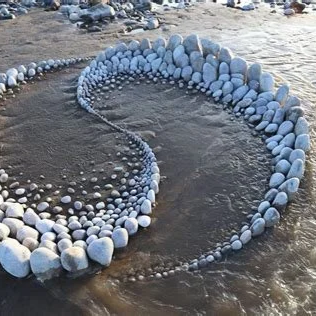
The research wants to retrace the birth and evolution of the concept of Land Art and artistic practices that involve the soil, the landscape, and the surrounding environment, through a historical-critical
and evolutionary rereading of the relationship between artist, materials, territorial context,
and conditions of action.
R1b. Cultural and symbolic genealogies of soil in the European traditions:
myths, folklore, narrations, and imaginaries as premises to the art-territory relationship
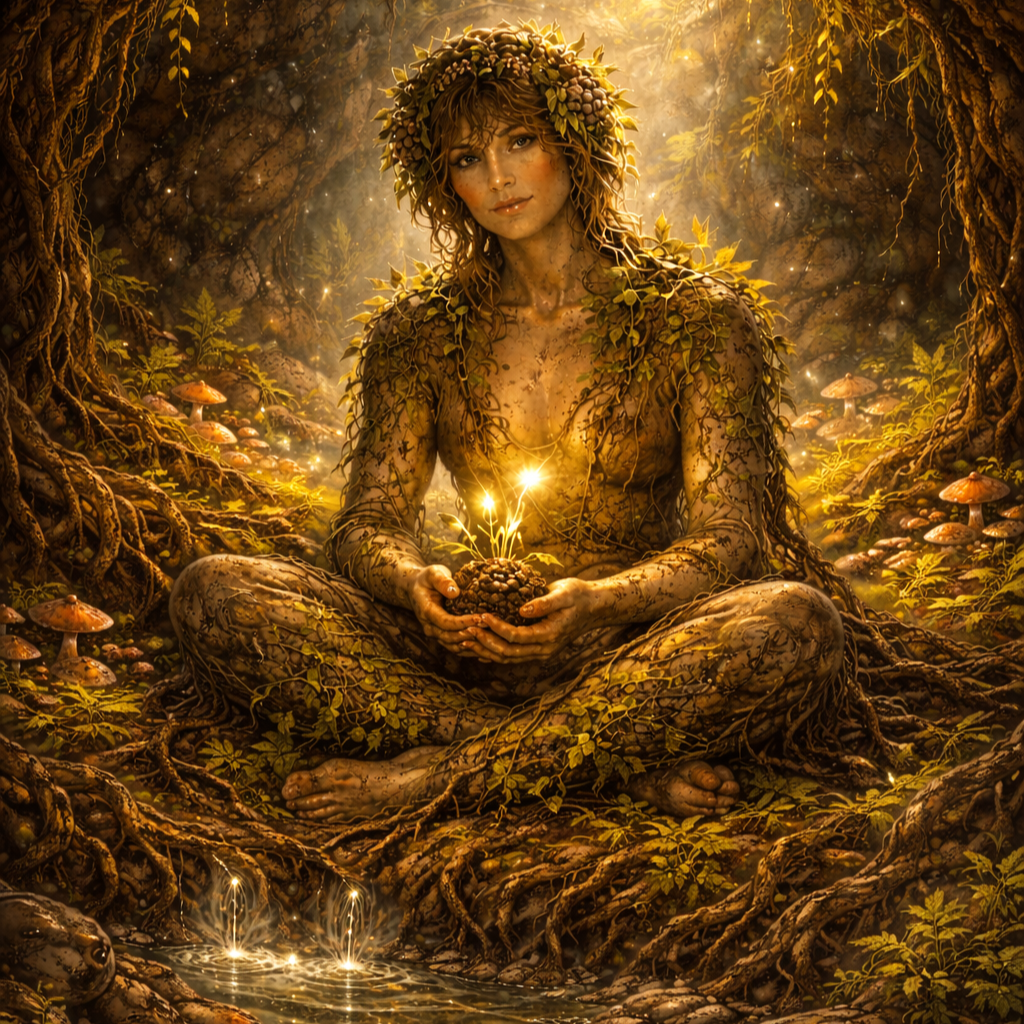
The research wants to investigate the cultural and symbolic genealogies of soil in the European
traditions, analysing myths, folkloric tales, oral traditions, literary texts, rituals, and symbolic
practices in which the earth and the subsoil assume a central role.
2. Evaluative / Impact strand
R2. Critical rereading of historical Land Art in light of contemporary environmental criteria:
feasibility, conflicts, and non-alignments regarding DNSH and Agenda 2030
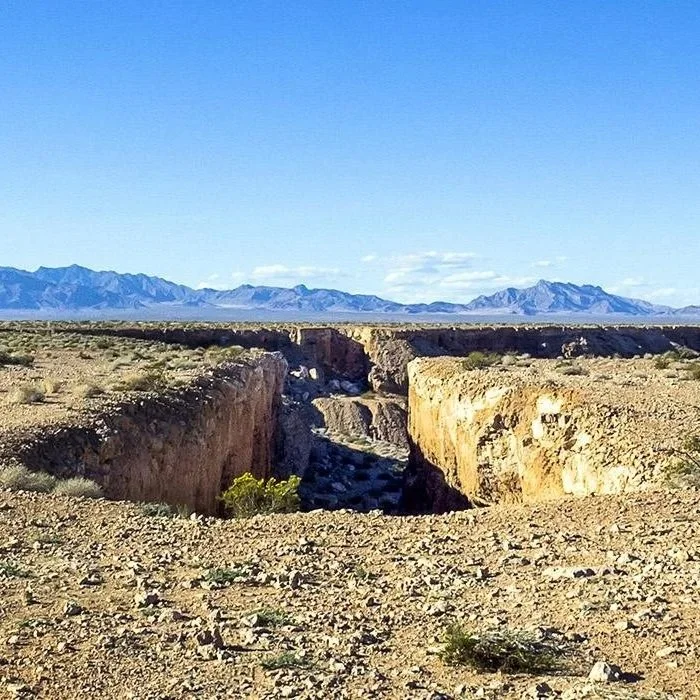
The research wants to propose a critical and retrospective rereading of some historical Land Art
works, interrogating their environmental, ethical, and procedural feasibility if they were proposed today.
R3. Socio-economic and territorial positioning impacts of Land Art:
comparative analysis between historical cases and contemporary practices
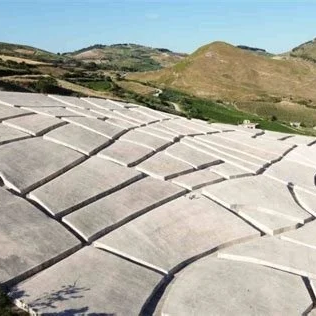
The research wants to analyse the socio-economic, reputational, and territorial positioning impacts produced by Land Art installations, comparing consolidated historical cases and contemporary practices.
R4. Ex-post cultural impacts of Land Art: identity, memory, conflicts, and appropriation processes
in the hosting contexts
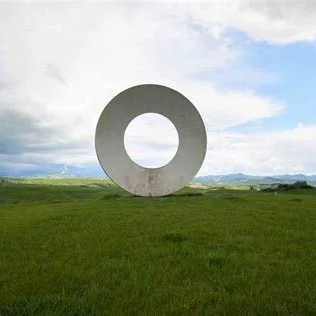
The research wants to analyse the ex-post cultural impacts produced by Land Art installations (historical and contemporary) in the territorial contexts that host them.
R5. Beautiful but good? Development of a procedure for an integrated evaluation for Land Art
The research wants to develop an integrated evaluative grid to analyse the impacts of Land Art installations, combining in a transparent and argued way the environmental, socio-economic,
and territorial, cultural, and symbolic dimensions.

3. Design and procedural strand
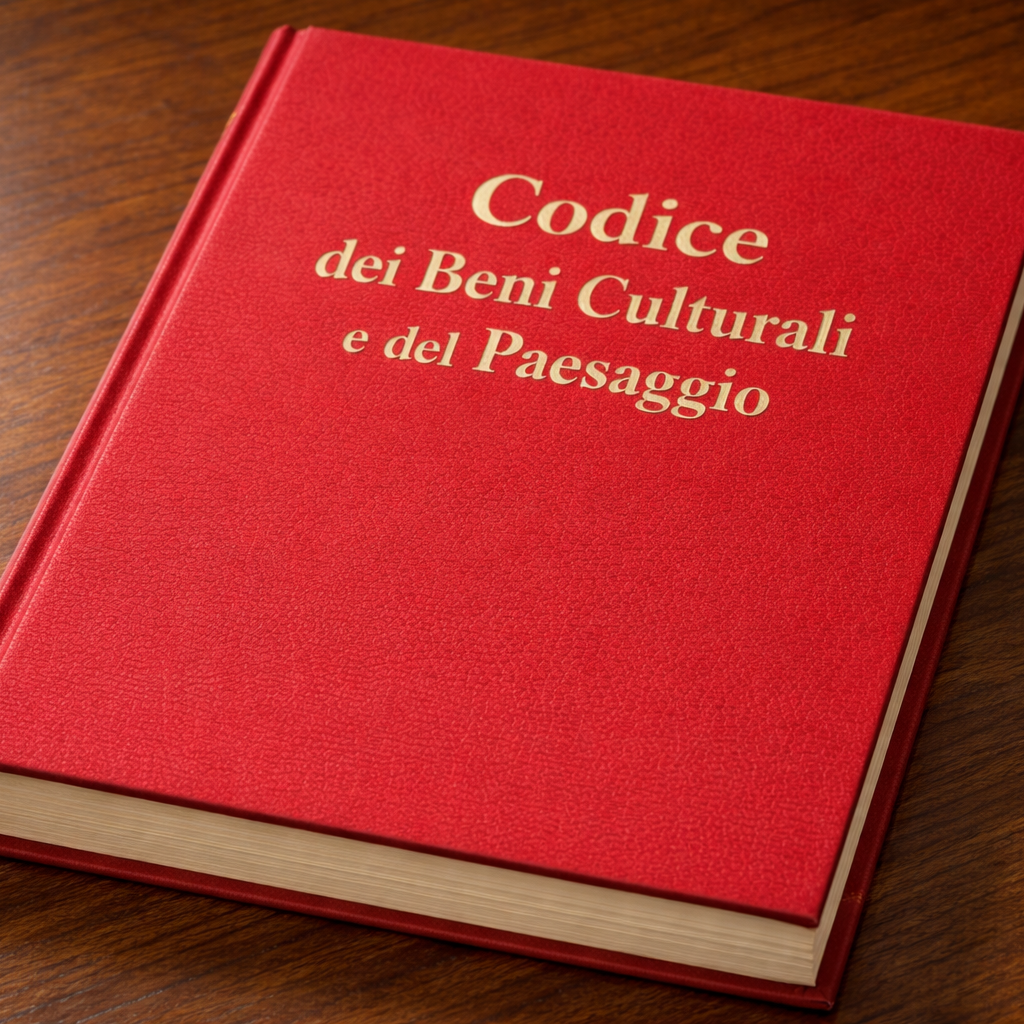
R6b. The Italian reference regulatory framework for Land Art: norms, constraints, and areas of application
The research wants to systematically analyse the Italian regulatory framework that affects the design and realisation of Land Art works, clarifying which norms apply, under what conditions, and with which effects, without entering into the design or decision-making dimension of the single case.
R6a. Legal-procedural scenarios for the implementation of Land Art works:
from the regulatory framework to operational decisions
The research wants to translate the Italian regulatory framework into concrete legal-procedural scenarios, analysing how norms are applied in decision-making processes and when they legitimately lead to the realisation or refusal of a Land Art work.
R7. Ecological profile of a site imagined as a potential Land Art place:
soil and environmental context of a specific terrain
The research wants to systematically analyse the specific ecological characteristics of a site
in particular (soil, hydrology, biodiversity, environmental fragilities, and risks), with the objective of identifying the non-negotiable ecological limits within which any artistic intervention should be placed.
R8. Landscape and environmental non-harm criteria for Land Art:
from ecological knowledge to the definition of operational thresholds
The research wants to elaborate explicit, argued, and verifiable criteria to evaluate whether a Land Art intervention can be considered non-harmful from an environmental and landscape point of view.
R9. Design and material guidelines for ethically compatible Land Art works: materials, forms, processes,
and temporalities starting from ecological and legal limits
The research wants to define design guidelines for the realisation of Land Art works
that respect ecological limits, non-harm criteria, and legal-procedural constraints.
R10. Resource models and economic sustainability of Land Art:
economy, responsibility, and limits of ethical feasibility
The research wants to investigate the economic dimension of Land Art not as an accessory or merely instrumental aspect, but as a structural component of feasibility, duration, and ethical coherence
of the project.
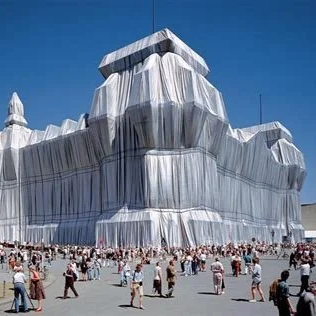
R11. Governance, partnerships, and public-private collaboration models in Land Art: decision-making structures, co-production, and shared care of the soil
The research wants to analyse governance and collaboration models for the realisation, management, and care over time of Land Art works or sites, adopting an explicitly transdisciplinary approach.
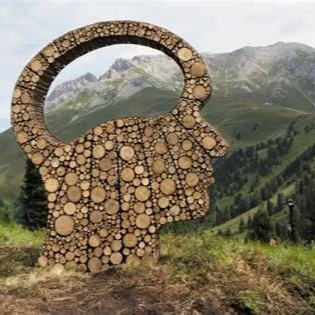
R12. Ex-post evaluation of Land Art impacts: environment, society, economy, and culture after the intervention
The research wants to develop a system for the ex-post evaluation of impacts produced by Land Art works or sites, considering in an integrated way the environmental, social, economic, and cultural dimensions.
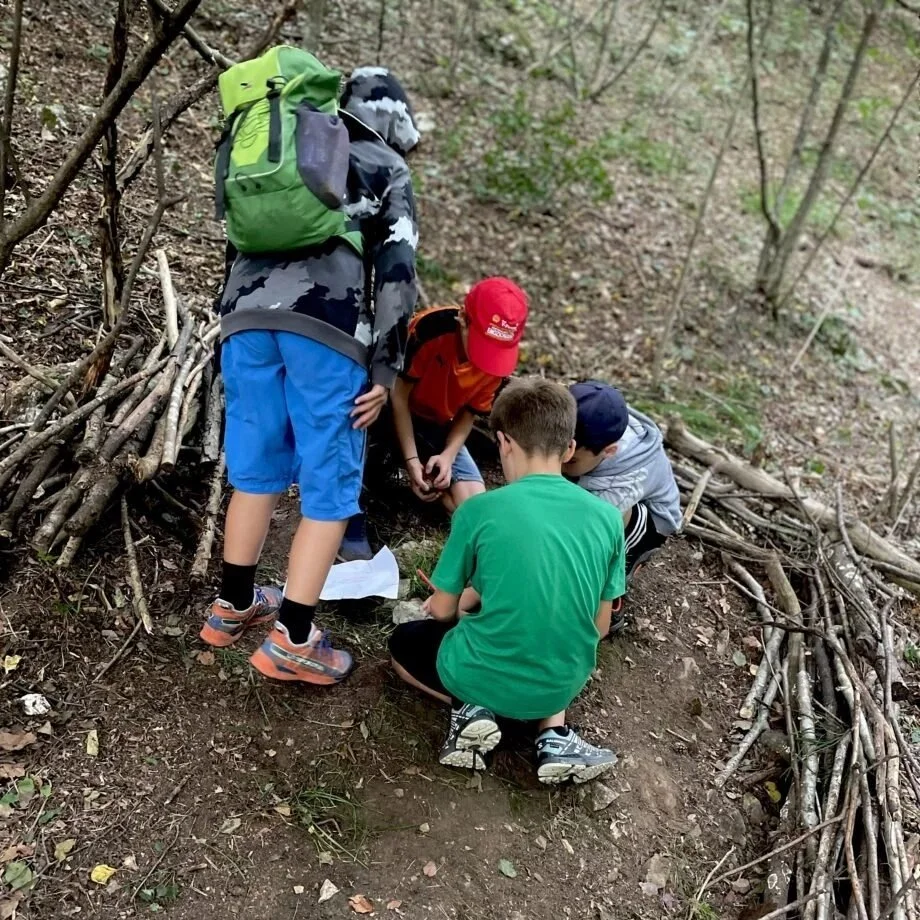
R15. Land Art at school: integration between geography, art history, and environmental education
in school curricula
The research does not propose isolated workshop activities, but wants to investigate the structured integration of Land Art into existing school curricula, as an interdisciplinary device between geography, art history, and soil education.
4. Artistic-generative strand
R13. Artistic research as field verification of the Land Art programme:
generative practice, soil co-authorship, and knowledge production
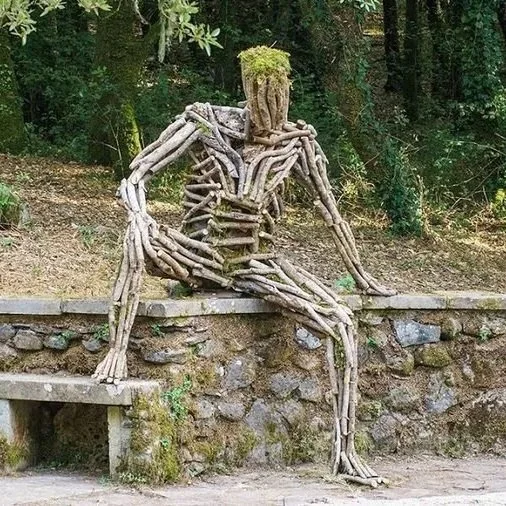
The research consists of a practice-based artistic research / research through art, in which creative practice becomes an investigation tool to test the results of previous researches in the field.
R14. Open digital environment for the participated mapping of Land Art in Italy:
crowdsourcing, knowledge infrastructures, and territorial artistic practices
The research investigates the technical, methodological, and ethical possibility of designing
an open digital environment for the mapping, uploading, and participated sharing of information regarding Land Art in Italy, through crowdsourcing practices.